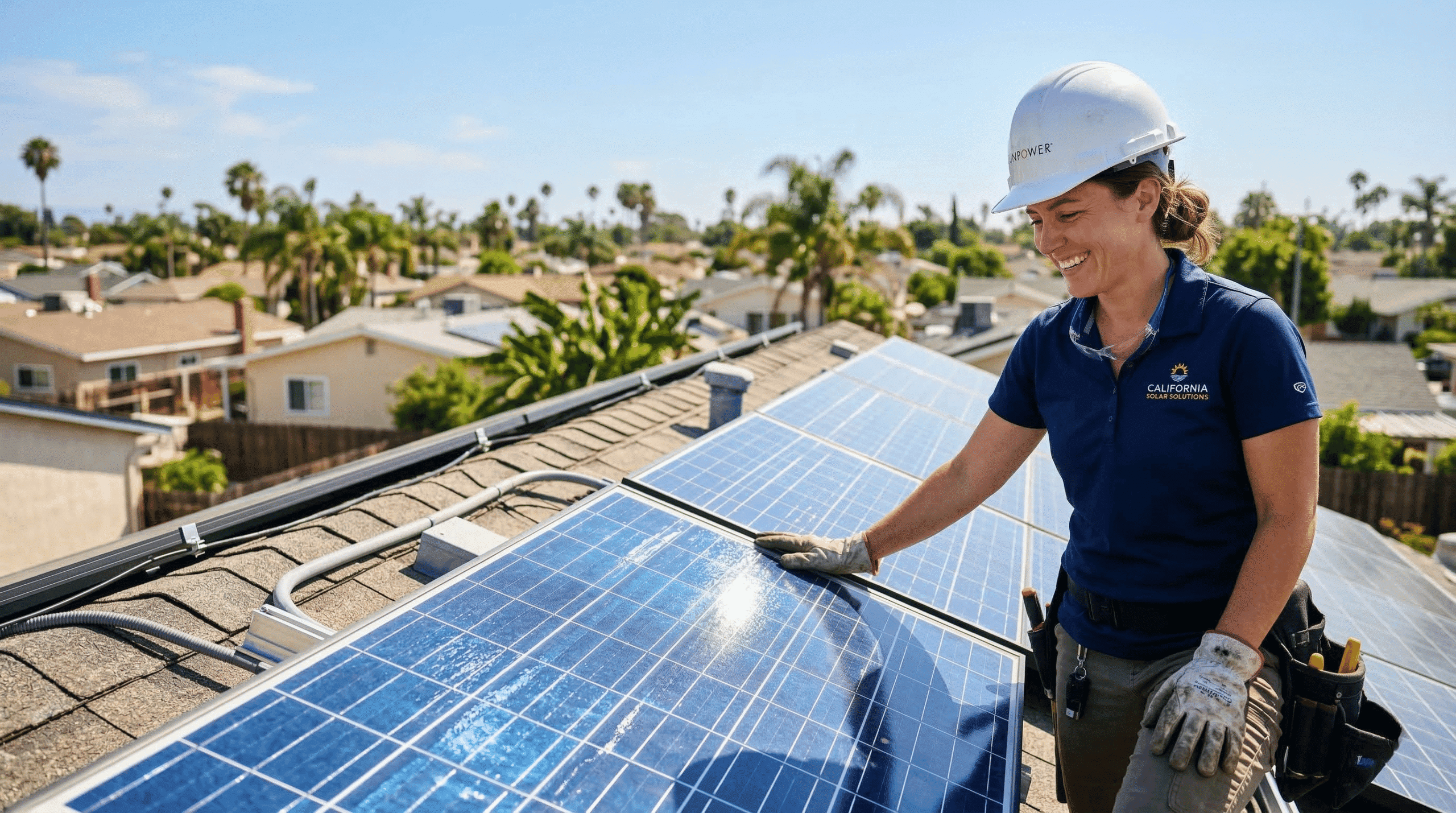
Sweat pooled heavily in my safety goggles. It was a blistering Tuesday in Albuquerque, New Mexico, and the dark asphalt shingles felt like an active grill against my knees. I was struggling desperately to align a heavy, blue-tinted rectangle onto a standard Unirac aluminum mounting rail. A sharp edge sliced my thumb. Blood mixed instantly with the industrial mounting grease. And right there, staring at that jagged silicon surface, I realized the dirty truth about the modern energy grid. The polycrystalline solar panel is the stubborn mule of the renewable industry.
Ugly. Heavy. Incredibly cheap.
Salesmen aggressively push sleek, black monocrystalline modules like they are luxury cars. They mock the older blue grid designs. But those slick presentations hide a massive financial gap. A gap you can easily exploit if you understand the silicon baking process.
Why the Polycrystalline Solar Panel Still Haunts the Market
Let me drag you behind the factory curtain for a second. Monocrystalline silicon demands absolute perfection. Manufacturers pull a single, flawless crystal from a molten vat using the expensive Czochralski method. It costs a fortune in wasted energy.
The blue alternative? Pure chaos.
Factories simply pour melted silicon fragments directly into a massive square mold. They let it cool. No fancy pulling. No wasted scraps.
This brutal, ugly manufacturing shortcut slashes production costs entirely. And that deep discount passes directly to the wholesale buyers. You get significantly lower initial outlays.
But the lower price tag carries a hidden physical tax. The chaotic crystal structure actively impedes electron flow across the internal P-N junction. Electrons literally bump into the grain boundaries. That physical friction means lower baseline efficiency compared to pure black modules.
The Brutal Truth About Polycrystalline Solar Panel Efficiency
Let us talk raw numbers. Most multi-crystalline modules hover between 15% and 17% energy conversion rates. Canadian Solar and Trina Solar churn out millions of these specific units yearly for massive utility-scale farms.
Why? Because sheer surface area compensates for lower output.
If you own a sprawling ranch outside Lubbock, Texas, roof space means nothing. You can bolt seventy of these cheaper modules to a ground mount. The lower efficiency completely vanishes behind the massive upfront financial savings.
But if you live in a cramped urban townhouse, buying a polycrystalline solar panel is absolute financial suicide. You severely lack the square footage required to generate meaningful wattage.
Decoding the Polycrystalline Solar Panel Temperature Squeeze
Summer heat actively destroys voltage. We call it the temperature coefficient in the trade.
For every degree above 25°C (77°F), a standard photovoltaic slab bleeds raw power. The typical polycrystalline solar panel loses about 0.4% to 0.45% of its total electrical output per degree Celsius.
It sounds trivial. It is not.
During that sweltering Albuquerque installation, surface temperatures on the tempered glass hit 140°F. The array was choking. The voltage drop cascaded violently through our SMA Sunny Boy string inverter, triggering a persistent low-yield warning.
Black monocrystalline modules absorb more raw heat but maintain slightly better electrical stability. Blue modules reflect slightly more light but suffer slightly worse thermal degradation. It is a vicious, inescapable trade-off.
Spotting the Fakes in the Salvage Market
Scrap dealers flood eBay and local classifieds with used modules daily. They strip them off bankrupt commercial buildings. They hose them down. They list them as “factory refurbished.”
A blatant lie.
A heavily used polycrystalline solar panel degrades at roughly 0.7% annually. By year ten, the internal EVA encapsulation starts yellowing heavily under brutal UV exposure. The metallic busbars begin to delaminate entirely.
I once drove four hours to inspect a massive pallet of “lightly used” Suntech panels. The seller swore blindly they sat safely in a climate-controlled warehouse. One glance at the severe micro-cracking across the metallic grid told a vastly different story. The silicon looked exactly like shattered ice under a magnifying glass.
Never buy used modules without a Fluke multimeter. And always test the open-circuit voltage (Voc) under direct noon sunlight.
The Micro-Inverter Mismatch Disaster
Wiring hardware matters more than the actual glass. A lot of weekend DIY warriors pair cheap blue panels with premium Enphase IQ8 micro-inverters.
This is exactly like putting premium racing tires on a rusty farm tractor.
A standard 275-watt polycrystalline solar panel rarely produces its printed nameplate rating in the wild. Real-world weather conditions, technically known as NOCT (Nominal Operating Cell Temperature), usually drag that actual output down to around 210 watts.
If you clip a high-capacity micro-inverter to that specific module, you waste serious money on unused conversion capacity. The inverter simply sits idle, waiting endlessly for voltage that the panel physically cannot generate.
You are usually better off wiring the entire array in series to a central Fronius Primo string inverter. Let the aggregate voltage do the heavy electrical lifting. Save the premium micro-inverters for high-wattage black modules.
7 Secrets About The Solar Subsidy In Maharashtra Unlocking Massive Savings
Navigating the Polycrystalline Solar Panel Warranty Trap
Read the fine print. I beg you.
Tier 1 manufacturers like JinkoSolar offer standard 25-year linear performance warranties. They guarantee the module will still produce at least 80% of its original rating by year twenty-five.
But read the labor clause.
If a polycrystalline solar panel actually fails in year six, the manufacturer might ship you a replacement box via freight. But they will absolutely not pay the $150-an-hour union electrician to unbolt the dead unit from your steep pitch roof.
You eat that labor cost. Every single time.
This hidden financial liability destroys the ROI of buying dirt-cheap, off-brand silicon from overseas liquidators. Stick tightly to reputable brands that have actual corporate offices operating in your home country.
Check the SEIA national installer registry
How to Clean a Polycrystalline Solar Panel Without Destroying It
Dust is the silent voltage killer. A thin layer of spring pollen cuts your daily energy yield by nearly 10%.
People frequently grab a standard garden hose and spray hard well water directly onto the hot glass. This is a spectacular way to void your factory warranty instantly. The sudden temperature shock actively causes microscopic thermal fractures deeply within the silicon structure.
Plus, the calcium found in hard water bakes aggressively onto the anti-reflective coating. It creates a cloudy, permanent film.
You need pure deionized water. A soft, boar-bristle brush.
Scrub the entire array at 6:00 AM long before the sun heavily heats the glass. A clean polycrystalline solar panel captures ambient morning light significantly better than a dirty one. The distinct blue hue relies heavily on internal scattered light capturing.
The Roof Weight Problem Nobody Mentions
Glass and heavy aluminum weigh a ton. Literally.
A standard 72-cell commercial module tips the scales at around 50 pounds. When you load twenty of these massive units onto an aging residential roof, you add half a ton of dead load directly to the timber truss system.
Old timber snaps.
Before you even price out a polycrystalline solar panel, hire a licensed structural engineer. Pay the $400 assessment fee upfront. I have seen massive roof deflections in older suburban homes simply because the owner arrogantly skipped the math.
If your rafters span more than 24 inches on center, you might require costly sistering. Suddenly, those cheap panels demand a $3,000 carpentry bill.
The Tax Credit Illusion with a Polycrystalline Solar Panel
The federal government heavily offers massive tax incentives to adopt renewables. The ITC (Investment Tax Credit) legally allows you to deduct 30% of the total installation cost directly from your federal taxes.
But this is not a cash rebate.
If you do not actively owe the government money at the end of the year, that specific credit sits uselessly on paper. Salesmen conveniently gloss over this critical detail. They present the discounted net price as if you are receiving a physical check in the mail.
You must finance the full gross amount upfront.
If you buy a massive array of older silicon to maximize total wattage, your upfront loan will be incredibly substantial. The current interest rates on those unsecured solar loans are bordering on extortionate. Pure robbery.
The Shadow Trap Strategy
Shade is absolute poison to solar production.
Standard series wiring connects panels exactly like old Christmas tree lights. If a rogue tree branch casts a dark shadow across a single cell in the array, the entire string’s voltage plummets aggressively to match the weakest link.
Internal bypass diodes exist to mitigate this exact issue. But they only do so much.
I recently surveyed an old farmhouse where a massive oak tree blocked the early morning sun entirely. The owner was furious about his low yields. He loudly blamed the equipment. He stubbornly refused to cut the tree.
If a polycrystalline solar panel gets shaded daily, traditional string inverters become a massive liability. You must actively utilize DC optimizers, like those built by SolarEdge, to isolate the shaded modules electronically. [External Link Placeholder: NREL study on partial shading effects on PV arrays]
Will the Polycrystalline Solar Panel Survive the Next Decade?
The global market is ruthless. Massive production lines in Shenzhen and Taipei are aggressively retooling for highly efficient N-type monocrystalline and PERC technologies.
The classic blue module is slowly being aggressively pushed out of the residential market.
But it will never truly die.
Massive industrial complexes operating in developing nations crave cheap, ultra-reliable electricity. They do not care about sleek aesthetics. They care solely about raw dollars per watt. In that brutal economic equation, the polycrystalline solar panel remains an absolute heavyweight champion.
It is the reliable, ugly workhorse of the energy sector.
The math is brutal, unyielding, and incredibly specific to your exact longitude. The blue silicon will consistently generate power for thirty years if you treat it right. It will endure hail, aggressive wind, and blistering heat.
But are you actually prepared to deal with the sheer weight of a massive array, or will you let the slick sales reps push you into a premium black module you do not actually need?