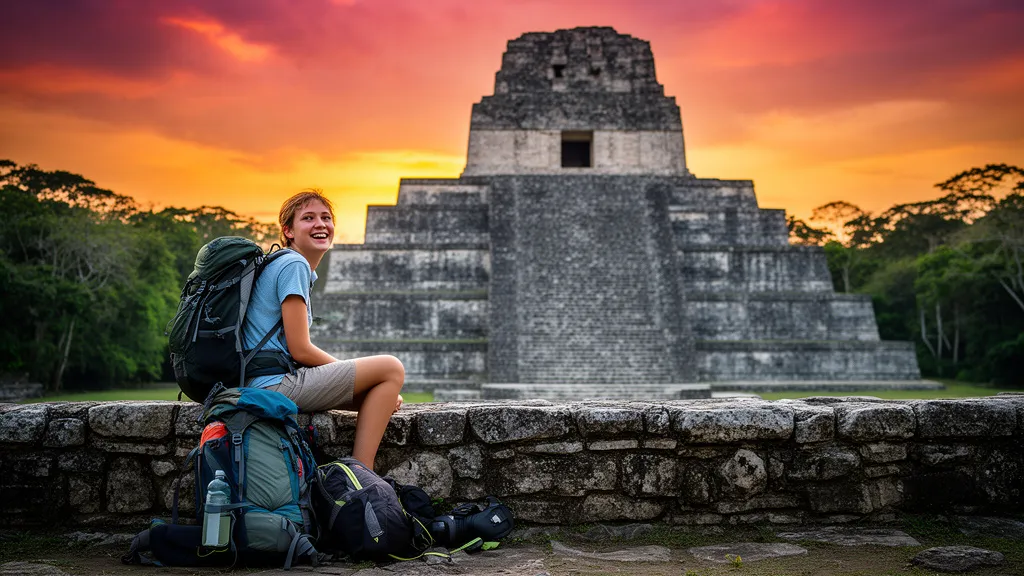
[Hero Image Placeholder: 16:9, >1200px wide. Alt Text: Backpacker exploring ancient ruins with sunset backdrop]
I remember standing in the middle of Rome’s Termini Station, sweat dripping through my backpack straps, with exactly €37 in my pocket and three days until my flight home. That moment taught me more about budget travel than any blog post ever could.
The best travel tips for budget travelers aren’t about cutting corners—they’re about making smarter choices that let you experience more while spending less.
Transportation Hacks That Actually Save Money
Flying midweek can cut your airfare by 30-40%. I learned this the hard way after paying €200 more for a Friday departure. Tuesday and Wednesday flights are consistently cheaper because business travelers avoid them.
Use flight comparison tools like Skyscanner’s “Everywhere” feature. It shows you the cheapest destinations from your airport for any given month. Sometimes the best trip is to a place you hadn’t considered.
Overnight buses and trains serve dual purposes—they’re transportation and accommodation combined. I took an overnight bus from Lisbon to Madrid and saved €45 on a hostel while waking up in a new city ready to explore.
Accommodation Strategies That Beat the System
Hostels aren’t just for young backpackers anymore. Many now offer private rooms at 60% less than hotels. The social atmosphere means you’ll meet fellow travelers who share tips and sometimes split costs on activities.
House sitting through platforms like TrustedHousesitters can eliminate accommodation costs entirely. I stayed in a London flat for two weeks caring for a cat—free accommodation in one of Europe’s most expensive cities.
Couchsurfing connects you with locals who offer free stays. Beyond saving money, you get insider knowledge about hidden gems and authentic experiences most tourists miss.
Food: The Hidden Budget Killer
Grocery stores become your best friend. A €10 grocery run can feed you for three days versus €30-40 at restaurants. Local markets offer fresh produce at half the supermarket price.
Street food isn’t just cheap—it’s often the most authentic local cuisine. In Bangkok, I ate better meals from street vendors than in tourist restaurants, spending about €3 per meal instead of €15.
Lunch specials, called “menu del dia” in Spain or “plat du jour” in France, offer fixed-price meals that are 40-50% cheaper than dinner prices. Eat your big meal at lunch when restaurants are less crowded anyway.
Free Activities That Create the Best Memories
Every city has free walking tours. Guides work for tips, so you pay what you think the tour was worth—usually €5-10 for 2-3 hours of local history and hidden spots.
Museums have free days or hours. The Louvre is free on the first Saturday evening of each month. Many cities offer tourist cards that include free public transport and attraction entry.
Nature is always free. Hiking trails, beaches, and city parks cost nothing but provide some of travel’s most memorable moments. I’ve watched more sunsets from mountain viewpoints than from paid attractions.
Money Management on the Road
Never exchange money at airports—they charge 8-12% in hidden fees. Use local ATMs instead, which typically charge 2-3%. Always choose to be charged in the local currency, not your home currency.
Get a travel credit card with no foreign transaction fees. Over a two-week trip, these fees can add up to €50-100. Some cards also offer travel insurance and lounge access.
Keep emergency cash separate from your main funds. I hide €100 in a different spot than my wallet. If my bag gets stolen, I’m not stranded without any money.
Transportation Within Cities
Public transportation beats taxis every time. A 3-day unlimited pass often costs less than two taxi rides. In cities like Tokyo or Berlin, the subway systems are tourist attractions themselves.
Walk whenever possible. Not only is it free, but you discover neighborhoods and local life you’d miss on public transport. I’ve stumbled upon the best cafes and street art this way.
Bike shares in many cities cost €1-2 per day. It’s faster than walking and cheaper than public transport for short distances.
Timing Your Trip for Maximum Savings
Shoulder season—the month before and after peak season—offers the best value. Weather is still good, crowds are smaller, and prices drop 30-50%. I visited Croatia in May and paid half the July rates.
Book flights 2-3 months in advance for international trips. Last-minute deals exist but are unpredictable. For domestic travel, 3-6 weeks usually hits the sweet spot.
Be flexible with your dates. Shifting your trip by even a few days can save hundreds on flights and accommodation. Midweek travel is consistently cheaper than weekend travel.
The Mindset Shift That Changes Everything
Budget travel isn’t about deprivation—it’s about prioritization. I’d rather spend €50 on a cooking class with locals than €50 on a mediocre tourist restaurant.
The best experiences often cost nothing. Conversations with strangers, watching daily life unfold in a plaza, or finding a perfect sunset spot create memories that last longer than expensive attractions.
Start small. Pick one or two tips from this list and implement them on your next trip. You’ll be surprised how much you can save without feeling like you’re missing out.
[Video Embed Placeholder: Relevant YouTube video about budget travel tips and strategies]
What’s your biggest budget travel challenge? Drop a comment below—I read and respond to every one. And if you found these tips helpful, share this post with fellow travelers who could use some money-saving strategies.
The next time you’re standing in a train station with limited funds, remember: the best adventures often start with the tightest budgets.